Meet Michael: A Movement‑Focused Approach to Physiotherapy
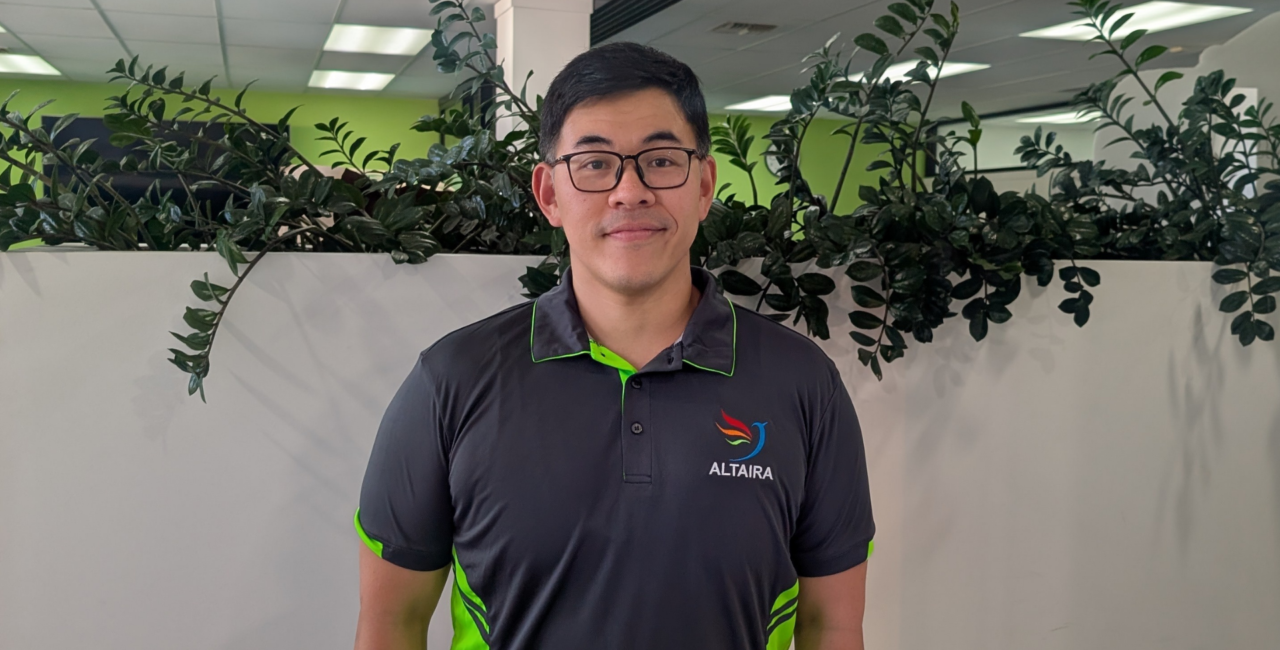
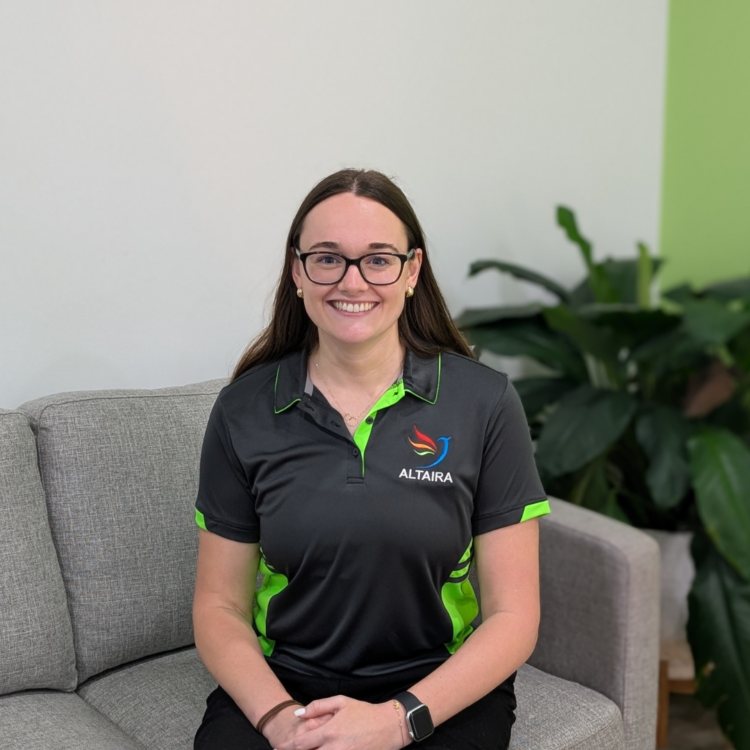
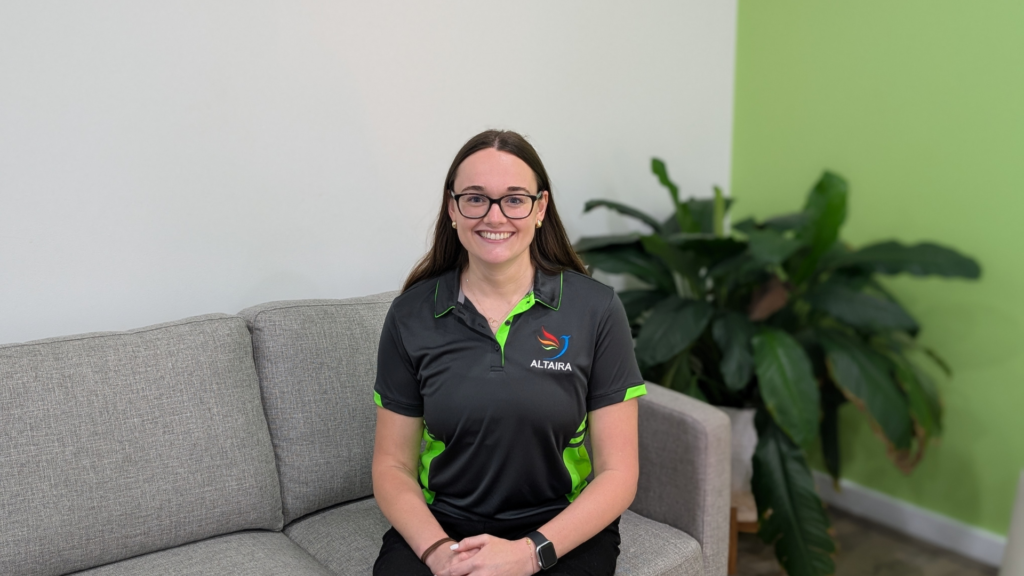
Michael Tong is an APA Titled Musculoskeletal Physiotherapist who brings a thoughtful, personalised approach to injury recovery and movement rehabilitation. With a background in dance and experience across Australia and Hong Kong, Michael is passionate about helping people understand their bodies, build confidence, and return to the activities that matter most to them.
From Dance to Physiotherapy
Michael often says his journey into physiotherapy began in the dance studio. Years of training exposed him to the physical demands of dance, and the injuries that often come with it.
“I saw many of my peers and teachers injured through accidents or overtraining. Some were even forced to stop dancing altogether,” he explains. “Seeing that made me want to help, and physiotherapy felt like the best way to do that.”
This early exposure shaped Michael’s strong interest in movement, injury prevention, and long‑term recovery.
Qualifications and Professional Background
Michael holds a Master of Advanced Clinical Physiotherapy (Musculoskeletal) from the University of South Australia, alongside a Bachelor of Physiotherapy (Honours). He is registered with AHPRA and has previously practised as a registered physiotherapist in Hong Kong.
Since beginning his physiotherapy career in 2017, Michael has worked across private practice, community health, and multidisciplinary team environments, supporting clients with a wide range of musculoskeletal conditions, persistent pain presentations, and movement‑related injuries.
Michael is additionally trained in the Watson Headache® Approach, a specialised physiotherapy method for assessing and treating headaches and migraines.
Supporting People to Achieve Their Goals
Michael believes progress doesn’t have to be overwhelming.
“I like to break goals into manageable, bite‑sized pieces,” he says. “Helping people see how those pieces fit together makes the bigger picture much more achievable.”
Celebrating small wins along the way is a key part of his approach, reinforcing confidence and consistency throughout the recovery process.
Rethinking Pain and Physiotherapy
One of the biggest misconceptions Michael encounters is the idea that pain is always necessary for progress.
“The phrase ‘no pain, no gain’ isn’t necessarily true,” he explains. “I’m not here to hurt you.”
At the same time, he emphasises that pain does not always indicate damage. Education plays a vital role in helping people move forward safely and confidently.
A Collaborative, Individualised Approach
Michael takes a collaborative approach to care, recognising that no two people are the same.
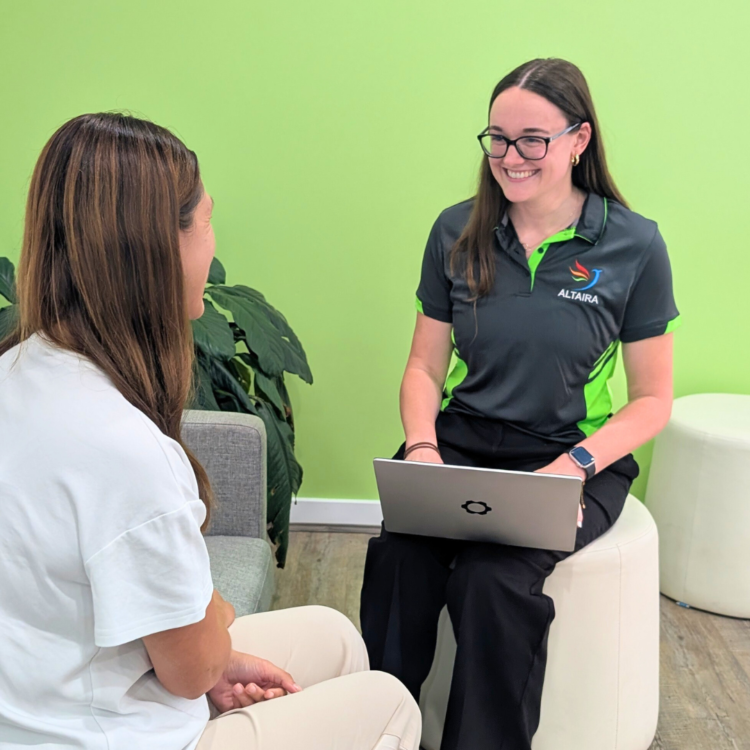
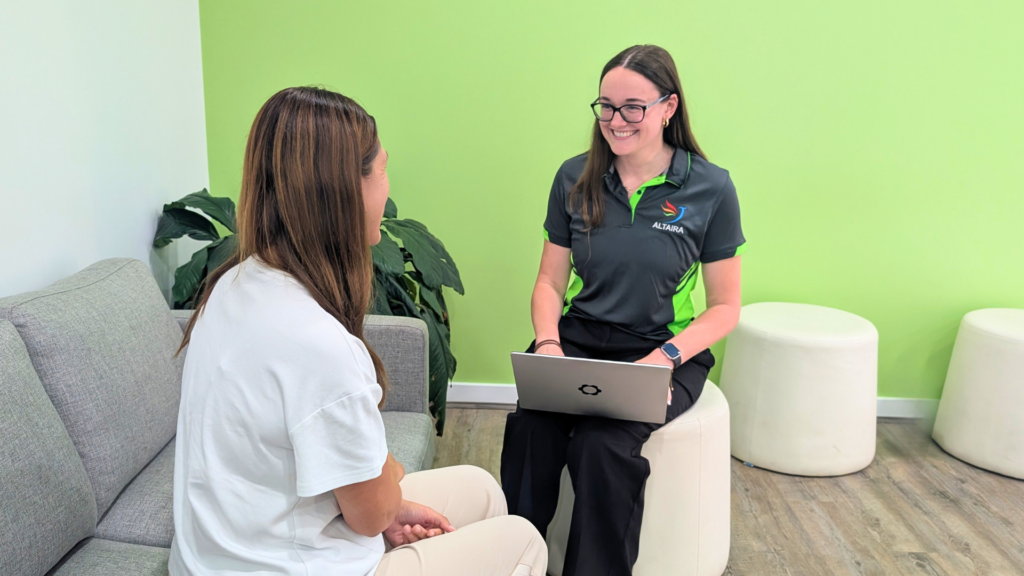
“My aim is to understand the full picture: movement habits, workload, lifestyle, and goals,” he says. “From there, I guide clients through practical steps to regain function and confidence.”
He often describes his role as a tour guide on the recovery journey, happy to let clients take the lead while offering direction, insight, and support along the way.
What Makes the Work Rewarding
For Michael, the most meaningful moments aren’t always tied to specific milestones.
“Often it’s when someone’s understanding of their pain shifts,” he says. “When a person starts to feel empowered and confident enough to try things they were previously afraid of – that’s incredibly rewarding.”
Beyond the Clinic
Outside of work, Michael continues his passion for movement as a dancer and choreographer. Dance rehabilitation is a particular area of interest, and he enjoys working with dancers on movement coaching, injury prevention, and performance longevity. He is also able to perform pre‑pointe assessments for ballet dancers, drawing on his background in both ballet and contemporary dance.
Michael speaks English, Cantonese, and Mandarin, enabling him to support a diverse range of clients with clarity and care.
To book a consult with Michael, click here.