Optimise Your Bone Health Through Nutrition

Nourishing your bones for strength, resilience, and long‑term health
When we think about osteoporosis, we often think about fragile bones, fractures, and ageing. What’s less well known is that nutrition plays a foundational role in building and maintaining bone strength at every stage of life.
Osteoporosis is often called the “silent condition” because bone loss happens gradually and without symptoms – until a fracture occurs. Osteoporosis Awareness and Prevention Month in May is the perfect time to bring bone health into the spotlight and highlight how the right nutrition can help protect bones and reduce fracture risk.
Bone health starts on your plate
Bones are living tissue. They are constantly being broken down and rebuilt, and they rely on a steady supply of key nutrients to stay strong.
Many Australians don’t meet their daily requirements for nutrients essential to bone health, particularly:
- Calcium
- Protein
- Vitamin D
Over time, inadequate intake can accelerate bone loss, reduce muscle strength, and increase the risk of falls and fractures.
Calcium: important, but not the whole story
Calcium is essential for bone structure, but it’s only one piece of the puzzle.
Key points to know:
- Adults typically need 1,000–1,300 mg of calcium per day, depending on age and sex
- Calcium is best absorbed when spread across the day
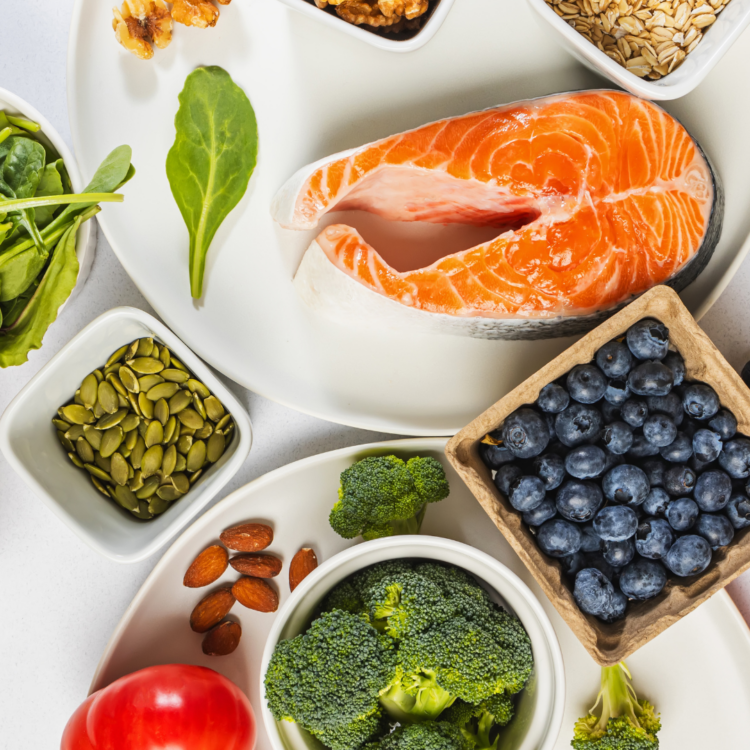
- Food sources are preferred where possible, including dairy, fortified plant alternatives, canned fish with bones, and leafy greens
- Relying on supplements alone without addressing overall dietary patterns may limit benefits to bone health.
Protein: a critical yet overlooked nutrient
Protein is vital for:
- Bone formation
- Muscle strength
- Balance and mobility
- Recovery after fractures
Low protein intake is linked to:
- Increased fracture risk
- Poor healing
- Higher falls risk due to muscle loss (sarcopenia)
Older adults, people with low appetite, chronic illness, or restrictive diets are particularly at risk of inadequate protein intake.
Vitamin D: helping calcium do its job
Vitamin D helps the body absorb calcium effectively. While some vitamin D comes from sunlight, many people – especially older adults and those who spend little time outdoors – may still have low levels.
Vitamin D status can influence:
- Bone density
- Muscle function
- Falls risk
Supplementation may be required in some cases and should be guided by a healthcare professional.
Whole‑diet patterns matter
Bone health is supported by overall dietary quality, not just individual nutrients.
A bone‑supportive diet typically includes:
- Adequate energy intake (undereating increases bone loss)
- Fruit and vegetables (important for bone metabolism)
- Healthy fats
- Sufficient fibre
- Minimal excessive alcohol intake
Highly restrictive diets or chronic under‑fueling increase the risk of bone loss and fractures.
How a Dietitian supports bone health
An Accredited Practising Dietitian plays a key role in osteoporosis prevention and management by:
- Assessing nutrient intake and identifying gaps
- Creating practical, realistic meal plans
- Supporting bone health during menopause and ageing
- Managing dietary restrictions, intolerances, or poor appetite
- Reducing fracture risk through muscle and bone nourishment
- Supporting recovery after injury or fracture
Nutrition advice is individualised – because bone health needs differ based on age, medical history, activity level, and lifestyle.
Nutrition works best alongside movement
Nutrition and exercise work together to support bone strength. Adequate protein and energy intake improve the effectiveness of:
- Resistance training
- Balance and strength exercises
- Injury rehabilitation
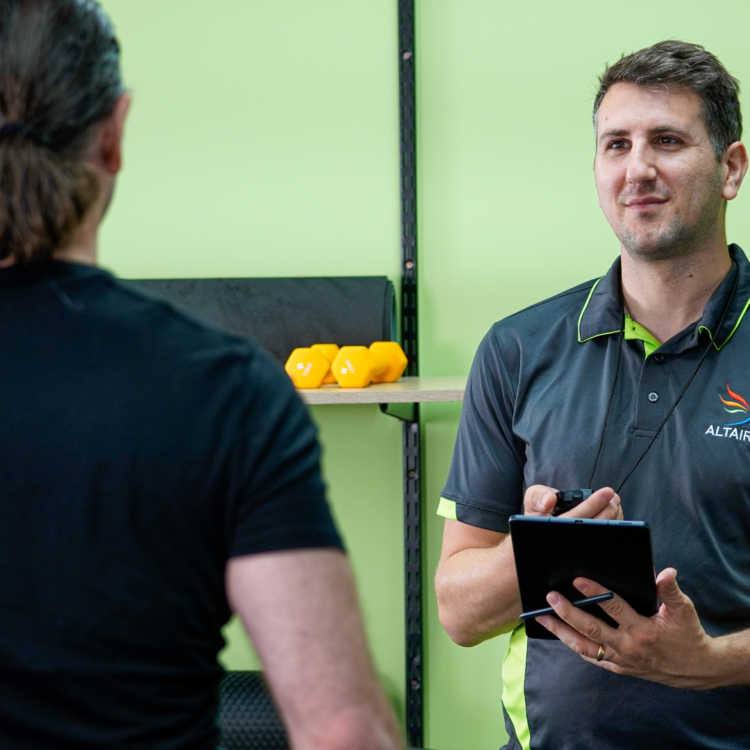
This is why collaboration between dietitians, physiotherapists and exercise physiologists provides the strongest foundation for bone health.
It’s never too early – or too late – to support your bones
Whether you:
- Want to prevent osteoporosis in the future
- Have low bone density or osteoporosis
- Are recovering from a fracture
- Are concerned about pain, weakness, or falls
Nutrition is a powerful, modifiable factor you can act on today.
This May, invest in your bone health
Osteoporosis Awareness and Prevention Month is a reminder that strong bones are built daily – through nourishment, movement, and informed care.
If you have concerns about your bone health or nutrition, our Dietitian Caitlin can help you build a personalised plan to protect your bones and support long‑term wellbeing.
To make an appointment with our Dietitian, contact (08) 7086 6426 or book online: https://book.nookal.com/bookings/book/47460e2F-6aEA-37d4-93d5-E9B9Dc67ecc8/location/XVSUD
Individual results vary. This post is general health information and isn’t a substitute for personalised clinical advice.