World Diabetes Day: How Altaira Allied Health can support diabetes management
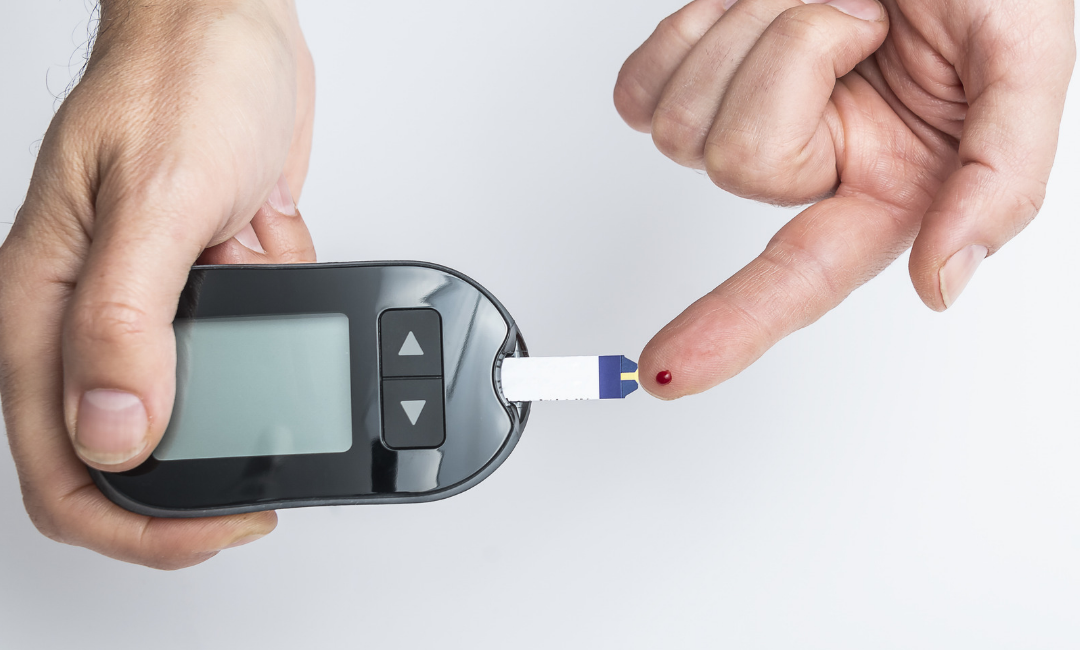
World Diabetes Day, recognised on 14 November, raises awareness about diabetes and the support available to people living with the condition.
Managing diabetes involves more than monitoring blood glucose levels. Nutrition, physical activity, foot health and regular medical care all play important roles in supporting wellbeing and reducing the risk of complications.
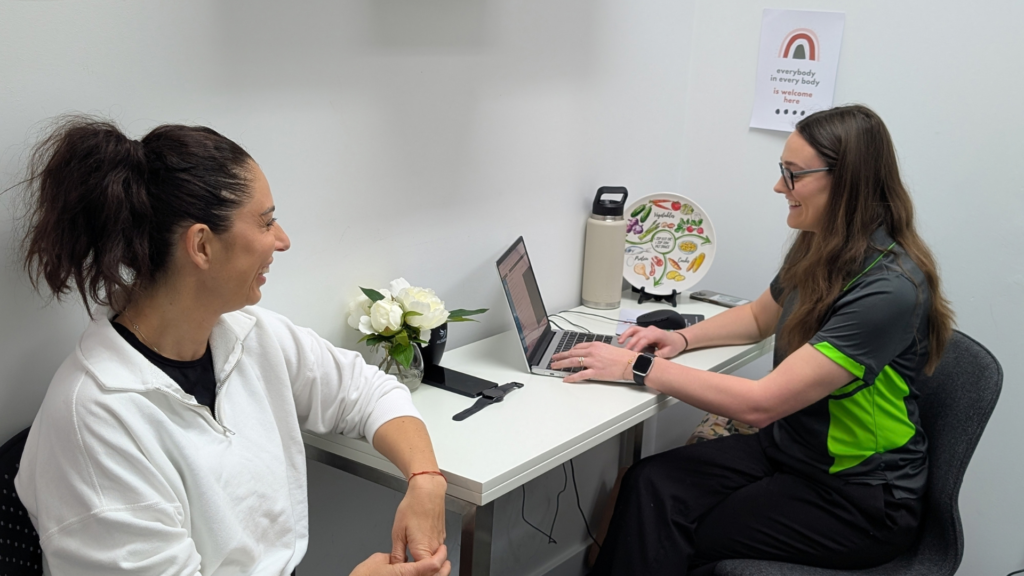
At Altaira Allied Health, our dietitian, podiatrist and exercise physiologist provide individualised support to help people manage their health, maintain mobility and work towards their personal goals.
What is diabetes and how can allied health help?
Diabetes is a chronic condition that affects how the body regulates blood glucose, or blood sugar. Over time, elevated blood glucose levels can contribute to complications affecting different parts of the body.
Type 1, Type 2 and gestational diabetes each have different management considerations, so care should be tailored to individual health needs.
Our allied health professionals can complement the care provided by your GP through personalised nutrition advice, preventative foot care and guidance on appropriate physical activity.
1. How can our dietitian help with diabetes management?
Nutrition plays an important role in diabetes management. Our Accredited Practising Dietitian can help you understand how food choices and meal patterns affect blood glucose levels and develop practical strategies suited to your lifestyle.
Our dietetic services support people managing Type 1, Type 2 and gestational diabetes, as well as high blood pressure, high cholesterol and cardiovascular disease.
Depending on your needs, our dietitian can help with:
• understanding how food choices affect blood glucose level
• meal planning, food labels and grocery shoppin
• developing sustainable eating habits that suit your preferences and routine
• understanding the relationship between nutrition and cardiovascular health
• navigating evidence-based nutrition advice.
Is there a specific diet for diabetes?
There is no single eating plan suitable for everyone living with diabetes. Nutrition needs vary depending on medical circumstances, medications, lifestyle and personal preferences.
Our dietitian, Caitlin Mc Manus, takes a collaborative, practical approach to helping clients develop realistic nutrition strategies. Dietetic support can complement your GP’s advice and broader diabetes management plan.
2. Why is foot care important for people living with diabetes?
Diabetes foot care helps identify potential complications early and supports ongoing foot health and mobility.
Diabetes can contribute to nerve damage, known as peripheral neuropathy, and circulation problems. These may reduce sensation in the feet and increase the risk of unnoticed injuries, infections and foot ulcers.
Our podiatrist can assess your foot health and identify risk factors through services that may include:
• nerve and circulation assessments to identify changes requiring further attention
• skin and nail checks to identify wounds, pressure areas or other concerns
• footwear advice to help reduce excessive pressure
• foot ulcer prevention and management according to individual needs
• ongoing monitoring and education to support daily foot care.
How can you look after your feet if you have diabetes?
Check your feet daily for cuts, blisters, redness, swelling or changes in skin colour. Wear suitable footwear and seek prompt medical advice if you notice a wound, signs of infection or a sudden change in your foot’s appearance or temperature.
If sensation is reduced, an injury may not be painful, so don’t rely on pain alone to identify a problem.
At Altaira Allied Health, our diabetes foot care services include diabetic neurovascular assessments, foot health screening, preventative care and ongoing monitoring tailored to your needs.
3. How can our exercise physiologist support diabetes management?
Appropriate physical activity can support blood glucose management, cardiovascular health, physical function and general wellbeing.
Our exercise physiologist provides chronic disease management support, including for people living with diabetes, arthritis and heart disease. Exercise programs are tailored to individual health needs, abilities and goals.
Support may include:
• developing an appropriate physical activity plan
• building strength, fitness and physical capacity
• adapting exercises to individual abilities and limitation
• establishing realistic, sustainable exercise routines.
4. Why is a collaborative approach to diabetes care important?
Diabetes can affect different aspects of health, so support from several healthcare professionals may be beneficial.
Depending on your circumstances, your care may include:
• dietetics: personalised nutrition advice and meal planning
• podiatry: foot health assessments and complication prevention
• exercise physiology: appropriate physical activity and chronic disease management support.
Not everyone will need all three services. Your GP and healthcare team can help determine which support is appropriate for your needs.
At Altaira Allied Health, we focus on individualised care and collaboration with GPs and other healthcare professionals where appropriate.
Supporting your health beyond World Diabetes Day
World Diabetes Day is a reminder that diabetes management is an ongoing part of looking after your health. Personalised nutrition advice, preventative foot care and appropriate physical activity can all contribute to a broader approach to wellbeing.
At Altaira Allied Health, our dietetics, podiatry and exercise physiology services support people managing chronic conditions through practical, individualised care.
Looking for diabetes management support?
Contact Altaira Allied Health on (08) 7086 6426 or book an appointment online to learn more about our allied health services.
Disclaimer: This article provides general health information and is not a substitute for personalised medical advice, diagnosis or treatment. Diabetes management should be tailored to your individual circumstances in consultation with your GP and healthcare team. Individual results vary.