Beyond the Injection: The Essential Role of Nutrition During GLP-1 Treatment

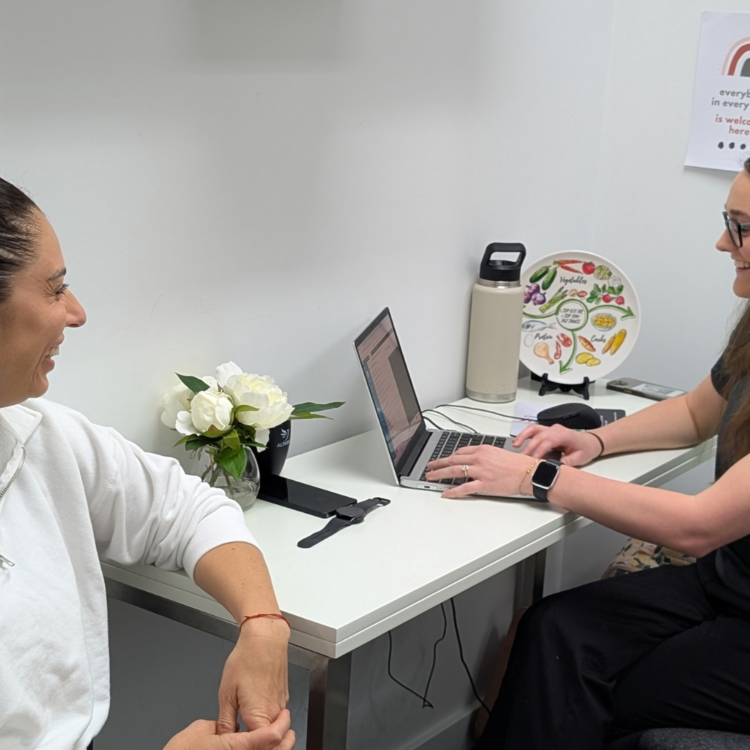
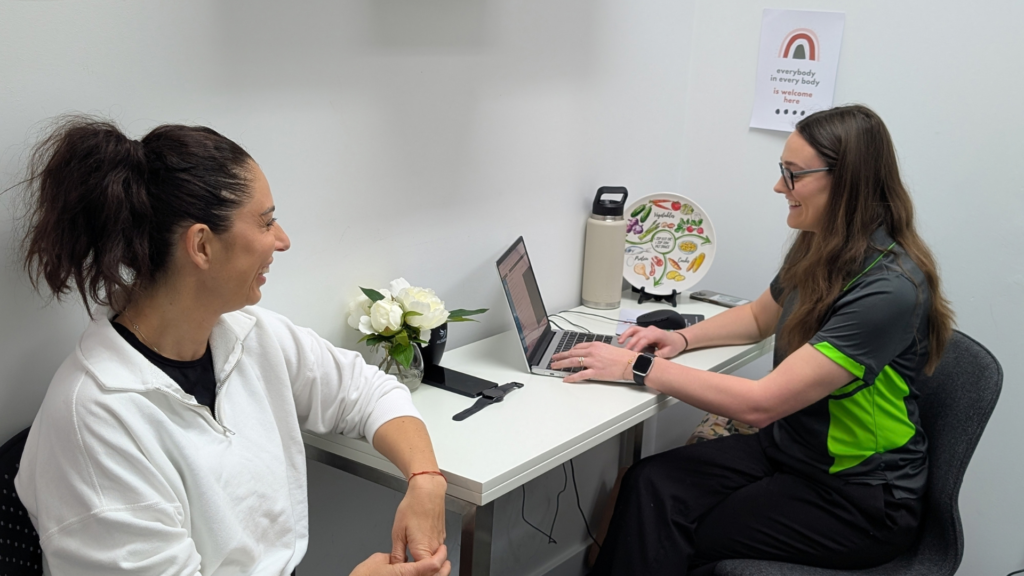
Hear from one of Altaira’s Accredited Practising Dietitians, Caitlin Mc Manus.
GLP-1 receptor agonists (such as Wegovy, Mounjaro, Ozempic and Saxenda) are a
class of prescription medications that may be prescribed by a medical practitioner as
part of the management of obesity and certain other health conditions. These
medications work through several mechanisms, including influencing appetite
regulation and feelings of fullness, and are generally intended to be used alongside
broader medical, nutrition and lifestyle interventions.
While GLP-1 medications can be a valuable component of treatment for some
individuals, they are not a standalone solution. Nutrition remains a fundamental part
of care, helping to support adequate nutrient intake, manage potential side effects,
preserve muscle mass, and promote sustainable long-term health behaviours.
Understanding the role of dietetic support can help individuals maximise the benefits
of their overall treatment plan and maintain healthy habits beyond medication use.
How Do GLP-1 Medications Work?
GLP-1 medications mimic a naturally occurring hormone in the body that helps regulate appetite, fullness and blood glucose levels.
They work by:
Slowing stomach emptying
Increasing feelings of fullness
Reducing hunger
Helping regulate blood glucose levels
Many people find they feel satisfied with much smaller portions and spend less time thinking about food.
While this can support weight loss, it can also make it harder to meet nutritional requirements if food intake becomes too low.
Eating Less Doesn’t Always Mean Eating Better
One of the biggest challenges I see in practice is people unintentionally under-eating when taking GLP-1 medications.
This can lead to:
Inadequate protein intake
Reduced fibre intake
Poor hydration
Low vitamin and mineral intake
Fatigue and reduced energy levels
The goal isn’t simply to eat less. The goal is to lose weight while still nourishing your body and protecting your overall health.
Protecting Muscle and Bone Health
When we lose weight, we don’t just lose body fat. Some muscle mass can also be lost during the process. Research in people taking semaglutide found reductions in both fat mass and lean body mass during weight loss.
Maintaining muscle is important for:
Strength and mobility
Metabolic health
Healthy ageing
Long-term weight maintenance
Bone health is another important consideration that is often overlooked. Significant weight loss can affect bone density, particularly in older adults and post-menopausal women. Current expert guidance highlights the importance of preserving both muscle and bone during GLP-1 therapy.
A dietitian can help ensure you’re getting enough:
Protein
Calcium
Vitamin D
Other key nutrients needed to support healthy muscles and bones
Managing Side Effects
Many people experience side effects when starting a GLP-1 medication, including:
Nausea
Constipation
Reflux
Bloating
Early fullness
Often, simple dietary changes can make a significant difference. Meal timing, portion sizes, fluid intake and food choices can all help improve comfort and support adequate nutrition.
Building Habits That Last
The medication can reduce hunger, but it doesn’t teach you how to:
Plan balanced meals
Manage emotional eating
Navigate social situations
Maintain weight loss long term
These skills are essential for sustainable success.
Research has shown that some weight regain commonly occurs when GLP-1 medications are discontinued, highlighting the importance of building healthy habits alongside treatment.
Why Work With a Dietitian?
Working with an Accredited Practising Dietitian can help you:
✔ Meet your nutritional needs
✔ Preserve muscle mass
✔ Support bone health
✔ Manage side effects
✔ Improve energy levels
✔ Develop sustainable eating habits
✔ Maintain results long term
The Bottom Line
GLP-1 medications have received significant attention in recent years for weight management, but they work best when combined with personalised nutrition support.
A dietitian can help you get the most from your treatment by ensuring you’re meeting your nutritional requirements, protecting your muscle and bone health, and building habits that support long-term success.
To make an appointment with our Dietitian, contact (08) 7086 6426 or book online.
This article is provided for general educational purposes only and is not intended as medical advice. GLP-1 receptor agonists are prescription medicines and may not be suitable for everyone. Decisions regarding the use of these medications should be made in consultation with an appropriately qualified medical practitioner, and individual responses and outcomes will vary.
Our Accredited Practising Dietitians do not prescribe medications. Where appropriate, we work collaboratively with a client's medical team to support nutritional adequacy, healthy lifestyle behaviours, body composition goals, and sustainable long-term weight management.
GLP-1 medications are not a replacement for nutrition and lifestyle management.
Dietetic support plays an important role in helping individuals meet their nutritional requirements, manage potential gastrointestinal side effects, preserve muscle mass during weight loss, and develop sustainable eating and lifestyle habits alongside medical treatment. No specific weight loss outcomes are guaranteed.
Further Reading
Dietitians Australia: https://dietitiansaustralia.org.au
National Association of Clinical Obesity Services (NACOS):https://www.nacos.org.au
Obesity Canada Clinical Practice Guidelines obesitycanada.ca
Nutritional Priorities to Support GLP-1 Therapy for Obesity nutrition.org, obesity.org
STEP 1 Trial (Semaglutide and Weight Management)