Stronger for Longer: Nutrition Tips for Ageing Well
At Altaira we understand that as we age, our bodies don’t work quite the same way they used to – and that includes how we process and use food. Many older adults are surprised to learn that nutritional needs increase in some areas, even though appetite and energy needs may decrease. The right nutrition can make a profound difference to strength, independence, immunity, and overall wellbeing.
Our dietitian Caitlin says that healthy ageing isn’t about restriction – it’s about fuel. Here is what she has to say about how to nourish your body so you can stay stronger for longer:
Why do our nutrition needs change as we age?
A number of normal age‑related changes affect how much and what types of nutrients we need:
- Muscle loss
Adults gradually lose muscle mass from around age 50. Without enough protein and strength‑building activity, this speeds up, increasing risk of weakness and falls.
- Lower appetite
Changes in taste, reduced hunger cues, or side effects from medications can make it harder to eat enough.
- Reduced absorption
Older adults often absorb nutrients like vitamin B12, calcium, and vitamin D less efficiently.
- Chronic health conditions
Heart disease, diabetes, and bone health concerns become more common and often require specific dietary support.
Understanding these changes helps guide simple daily habits that support long‑term health.
Top Tips to be Stronger for Longer
Tip 1: Make Protein the Priority
Protein is essential for maintaining muscle strength, recovering from illness or injury, and supporting immunity. Because ageing increases muscle breakdown, older adults need more protein per meal than younger adults.
Aim for:
- 20–30g of protein at breakfast, lunch, and dinner.
Simple ways to add more protein:
- Add Greek yoghurt, eggs, or cottage cheese to breakfast
- Include chicken, fish, lean meat, tofu, or legumes at main meals
- Snack on yoghurt, nuts, cheese, or hummus
- Choose higher‑protein staples like baked beans, lentil soup, or tuna
If chewing is difficult or appetite is low, choose soft options like scrambled eggs, tinned fish, milky drinks, slow cooked meats or ricotta.
Tip 2: Look After Your Bones With Calcium and Vitamin D
Older adults are at higher risk of osteoporosis, so bone‑supporting nutrients become especially important.
You need:
- Calcium for bone strength
- Vitamin D to help your body absorb calcium
Where to get calcium:
- Milk, yoghurt, and cheese
- Calcium‑fortified plant milks
- Canned salmon or sardines with bones
- Almonds and leafy greens
Aim for 2–3 serves of dairy or fortified alternatives daily.
Where to get vitamin D:
- Safe sunlight exposure
- Eggs
- Oily fish like salmon and sardines
- Light exposed mushrooms
- Fortified foods such as cereals
If you rarely get outdoors, a GP or dietitian may recommend a supplement.
Tip 3: Focus on Fibre and Fluids
Digestive issues like constipation become more common with age, usually due to reduced movement, lower fibre intake, and not drinking enough fluids.
Boost fibre through:
- Wholegrain breads and cereals
- Fresh fruit and vegetables
- Beans and lentils
- Nuts and seeds
Keep hydrated by drinking:
- Water
- Milk or fortified alternatives
- Herbal tea
- Soups or broths
Aim for 6–8 cups of fluid per day. If water is unappealing, add citrus slices, mint, or choose warm drinks in cooler months.
Tip 4: Eat the Rainbow for Immune Support
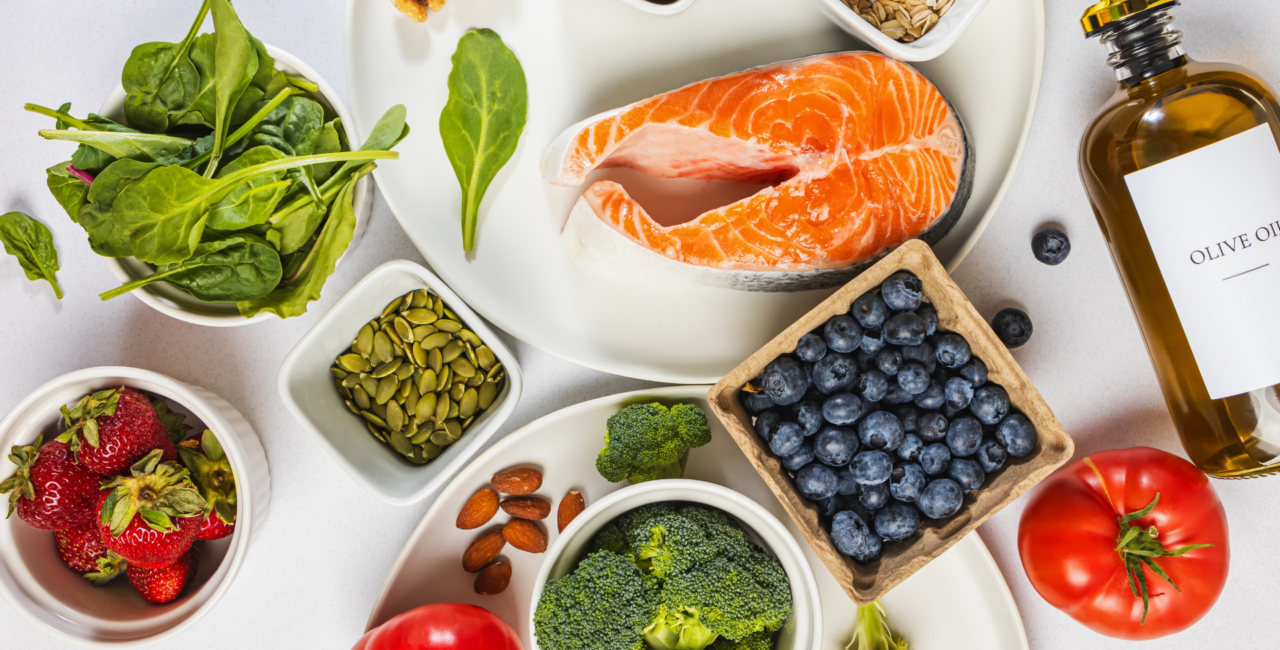
A strong immune system starts with a diet rich in antioxidants, vitamins, and minerals. Colourful foods are powerful allies because different colours provide different nutrients.
Try to include:
- Red (tomatoes, berries)
- Orange/yellow (carrots, pumpkin, citrus)
- Green (broccoli, spinach, kiwifruit)
- Blue/purple (blueberries, eggplant)
A simple goal is to fill half your plate with colourful fruit and vegetables at meals.
Tip 5: Choose Healthy Fats for Heart and Brain Health
Healthy fats help reduce inflammation, support memory, and protect heart health – all crucial as we age.
Include healthy fats such as:
- Oily fish such as salmon, sardines, mackerel
- Walnuts, almonds
- Chia or flax seeds
- Avocado
- Extra‑virgin olive oil
Aim for oily fish 2-3 times per week or choose plant‑based omega‑3s if you don’t eat fish.
Tip 6: Eat Regularly, Even With a Small Appetite
A reduced appetite can lead to unintentional weight loss and decreased strength.
If appetite is low:
- Eat smaller meals more often
- Add healthy calories with olive oil, avocado, or nut butter
- Include nourishing drinks like smoothies or fortified milk
- Keep ready‑to‑eat snacks handy (yoghurt, cheese, crackers, fruit)
- Avoid drinking too much fluid right before meals
If weight loss continues, a dietitian can help create a plan tailored to your needs.
Tip 7: Keep Eating Social, Enjoyable, and Simple
Food isn’t just fuel – it’s connection. Many older adults eat better when meals are shared or planned around routines.
Try:
- Eating with family, friends, or community groups
- Preparing meals in batches so cooking feels easier
- Experimenting with herbs, spices, or new recipes
- Making mealtimes relaxed and enjoyable
Enjoyment is one of the most powerful motivators for healthy eating.
Healthy Ageing Starts With Nourishing Choices
Staying healthy and independent as you age isn’t about dieting – it’s about giving your body what it needs to thrive. By prioritising protein, supporting bone health, staying hydrated, choosing colourful foods, and making meals enjoyable, you can maintain strength, energy, and vitality well into your later years.
To make an appointment with our Dietitian, contact (08) 7086 6426 or book online: https://book.nookal.com/bookings/book/47460e2F-6aEA-37d4-93d5-E9B9Dc67ecc8/location/XVSUD
Individual results vary. This article is general health information and isn’t a substitute for personalised clinical advice.